
GardenWild Blog
Hints and tips, advice, product reviews and so much more from professional gardeners, horticulturists and designers.
Where to start
The most exciting thing about gardening is watching something that you’ve planted grow and come to life!
We give you practical hands on tips and advice to help you get started.
Tools for gardening
Compost
Plants and Trees
Garden Soil
Gardening for Wildlife
Water
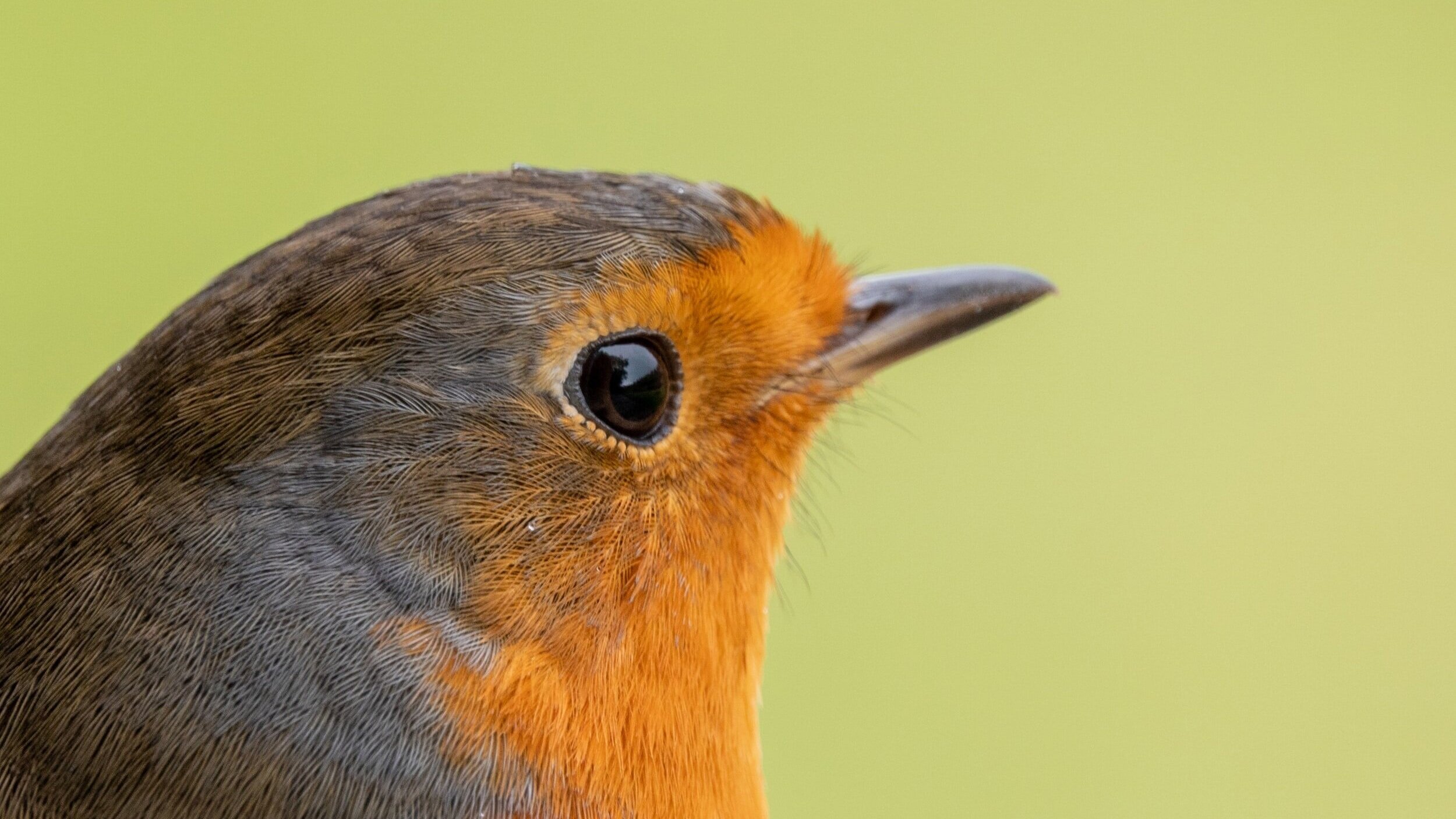
Want to attract more birds to your garden?
Check out our blogs on birds
Gardening Starter Pack
-
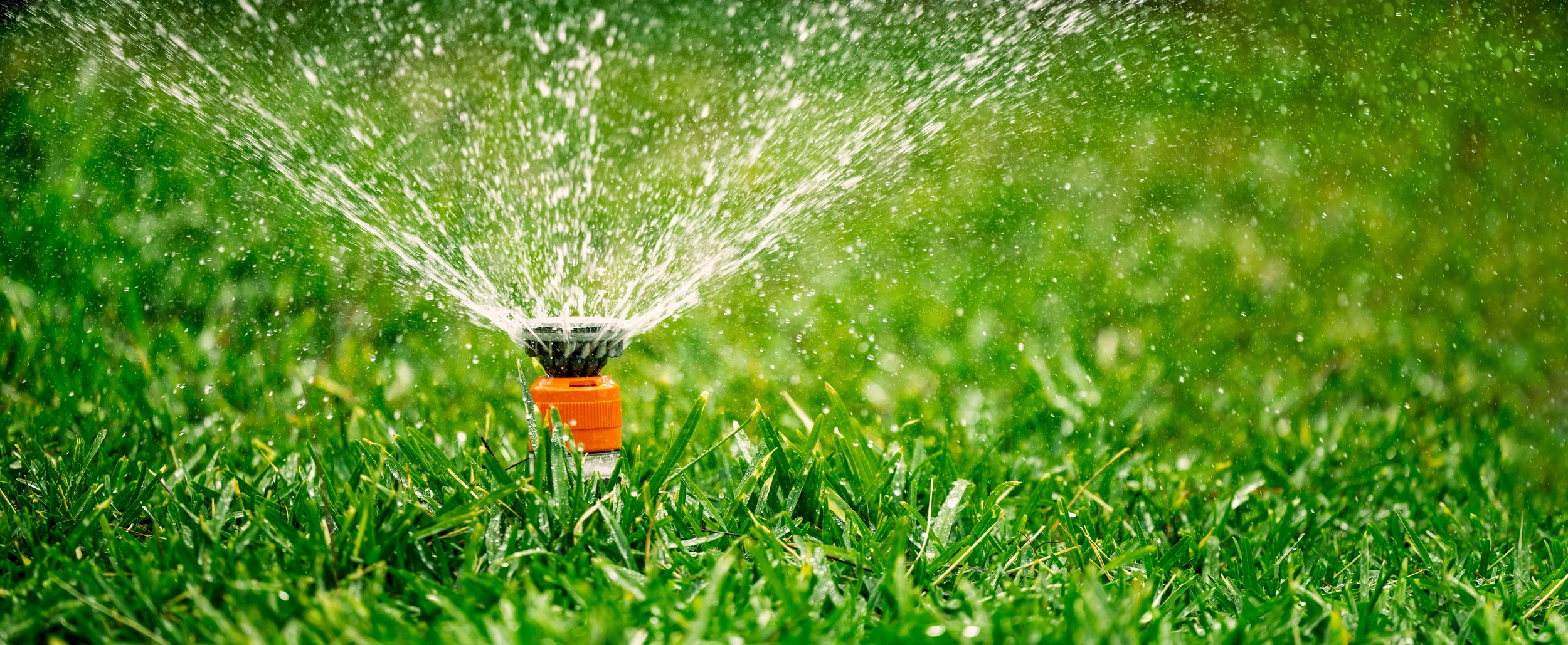
![A sprinkler watering green lawn grass on a sunny day.]()
Water You Plants
Plants need water in order to absorb nutrients from the soil. Smaller or newer plants are most at risk because they don’t have the established root network in place to reach the moisture held deeper in the earth.
-
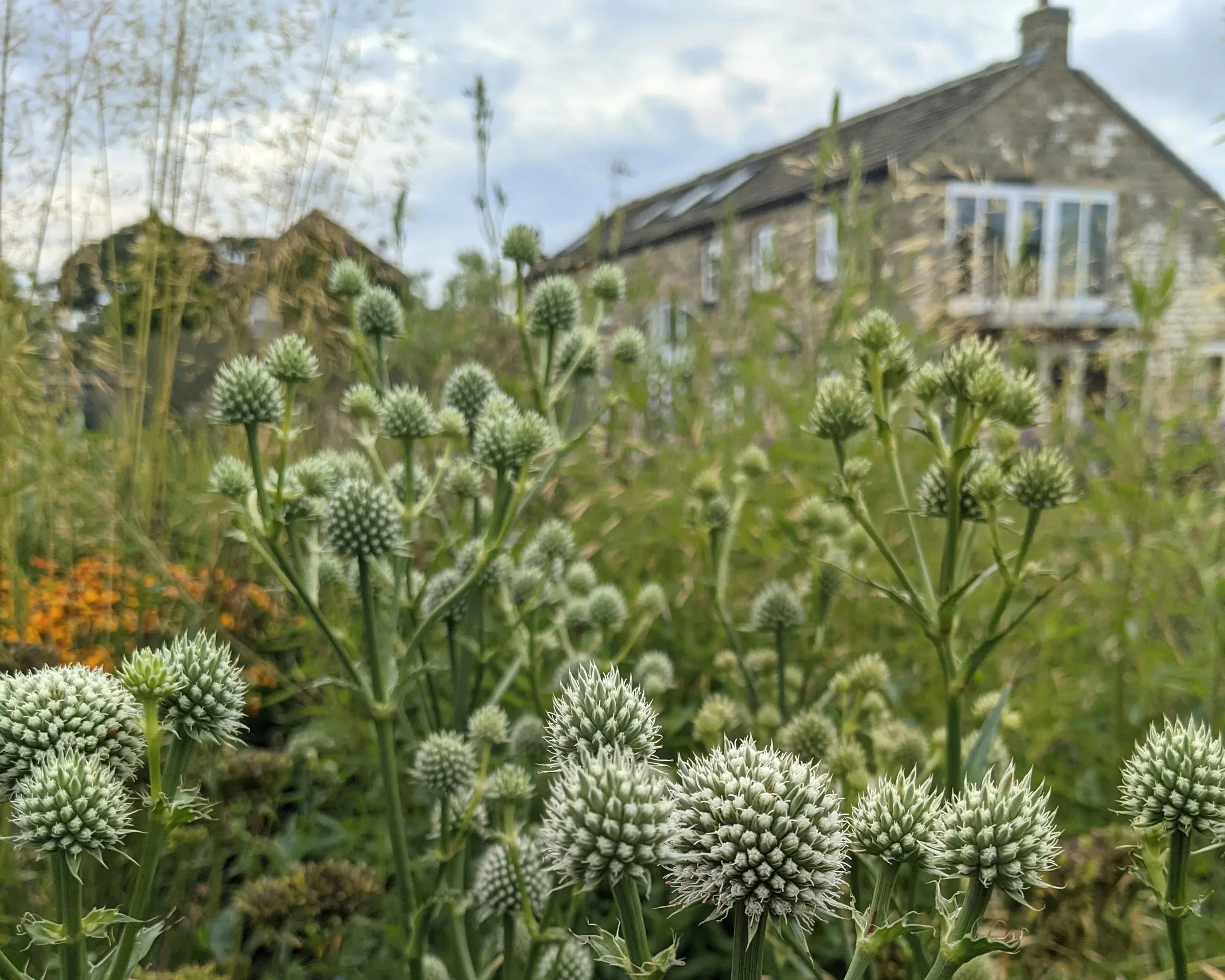
![Close-up of white, globe-shaped flowers with a house in the background, blurred.]()
How long will the plants take to establish?
A plant is established when the roots are well integrated into the soil and it can withstand normal weather conditions.
Normally the advice that give to our clients that the second year will be when your borders will start look their best. However this depends on the plants in the borders and isn’t a hard and fast rule.
-
![A person planting a small tree in freshly mulched soil in a backyard, with a wooden fence in the background.]()
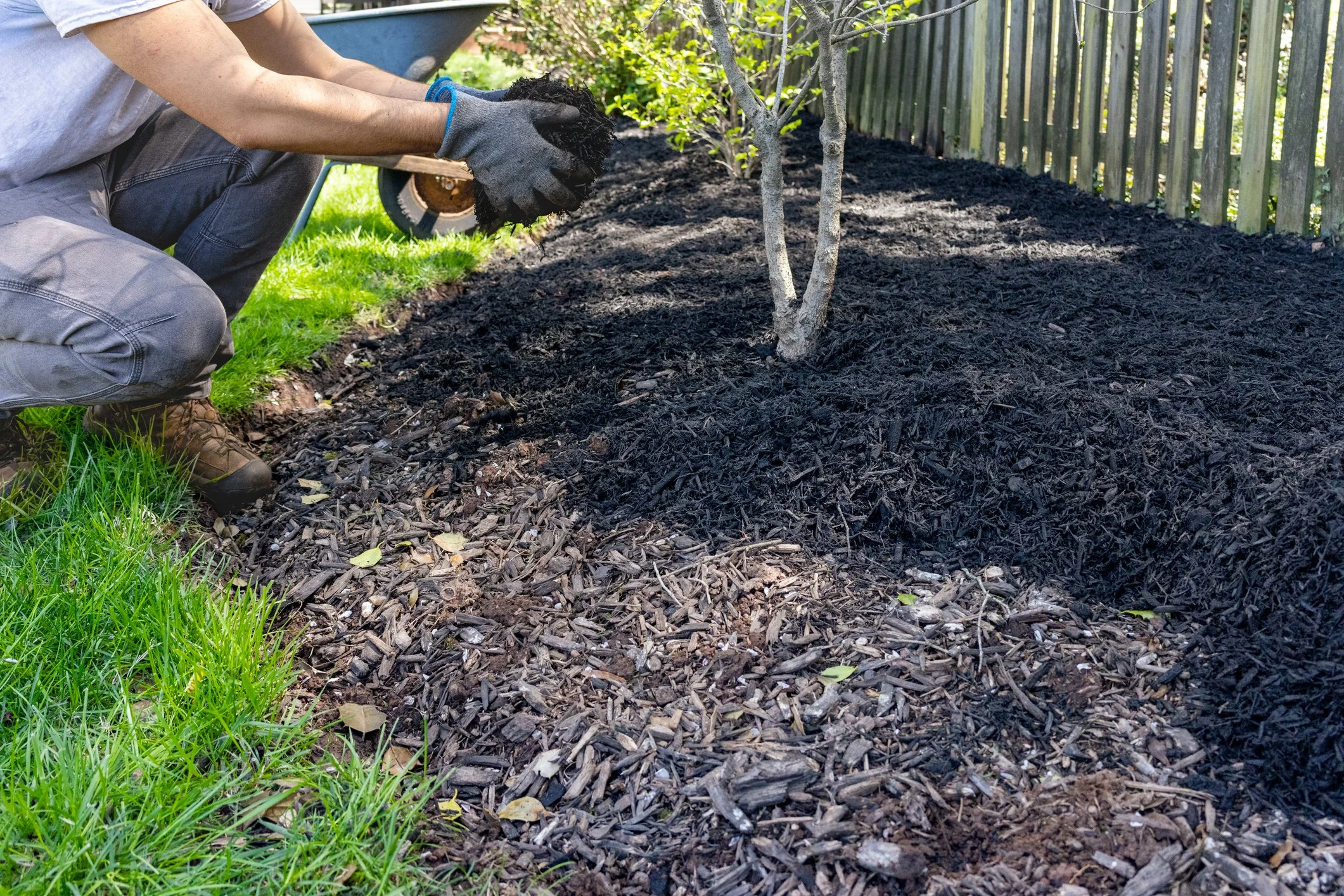
What is mulch
Mulch is a material that is spread over the surface of a border or bed a covering. Different mulches have different properties depending on what they are made of.
-
![Green grass with a cluster of yellow dandelion flowers in the lower left corner.]()
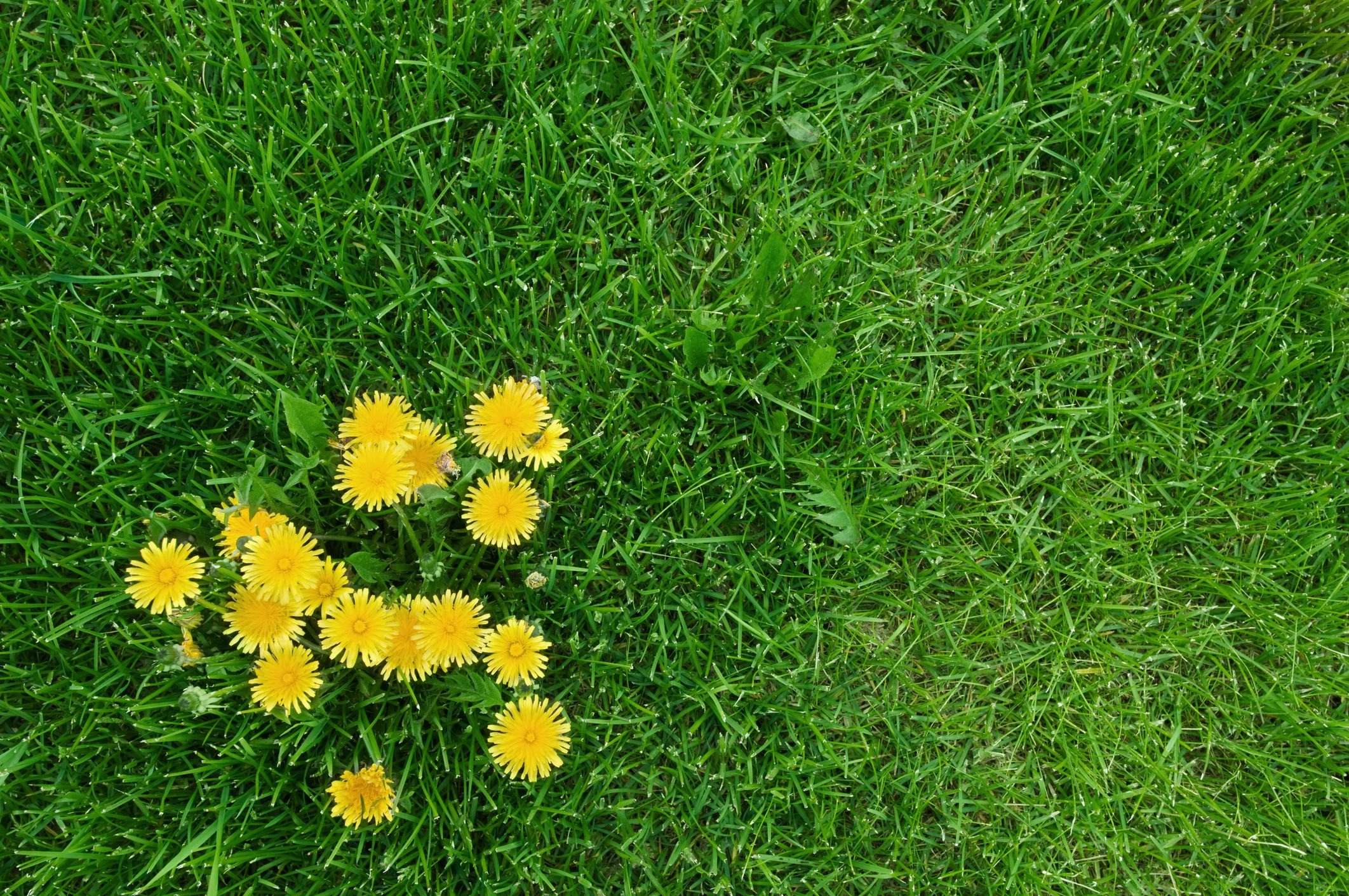
Weeds in the garden
Any plant can be a weed if it’s running a muck somewhere you don’t want it. However, there are some plants that are considered weeds for a reason. Most of the time it’s because they are more invasive and aggressive than other plants.
-
![A rabbit sitting in green grass with tall grass in the foreground and a blurred green background.]()
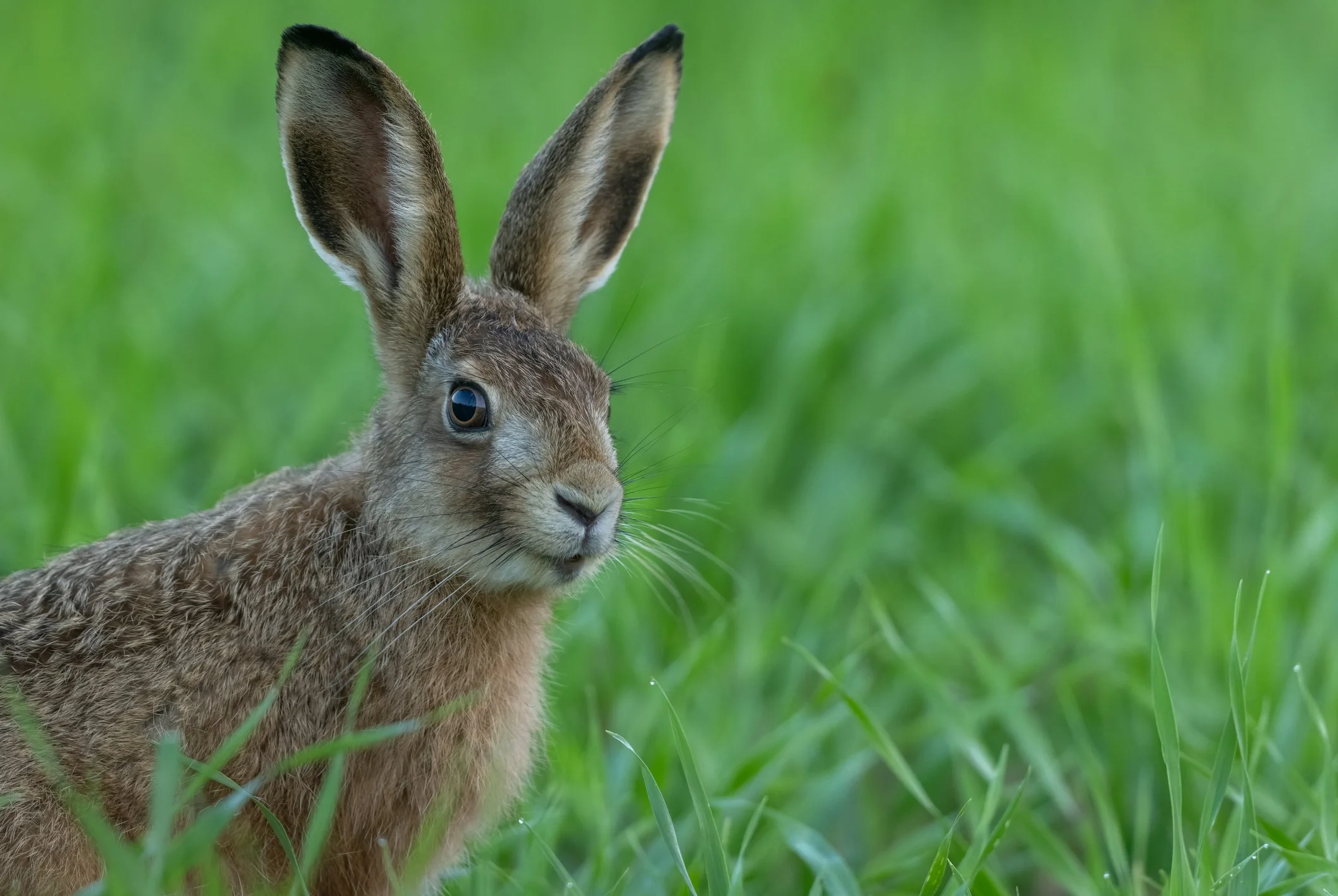
Protecting plants from wildlife
It seem stupid considering that in resent years the new has been championing biodiversity by creating heavens for animals in urban areas I am now writing about protect garden from wildlife. As much as we love wildlife and want to encourage it in our gardens, we don’t want our newly planted borders nobble and nibbled back to nothing every year. Animals are smart and they know an easy source of food when they see it and your border can be just that.
-
![A low-angle view of a garden with orange and red flowers in the foreground and a rustic stone house with a pitched roof and chimney in the background, under a clear blue sky.]()
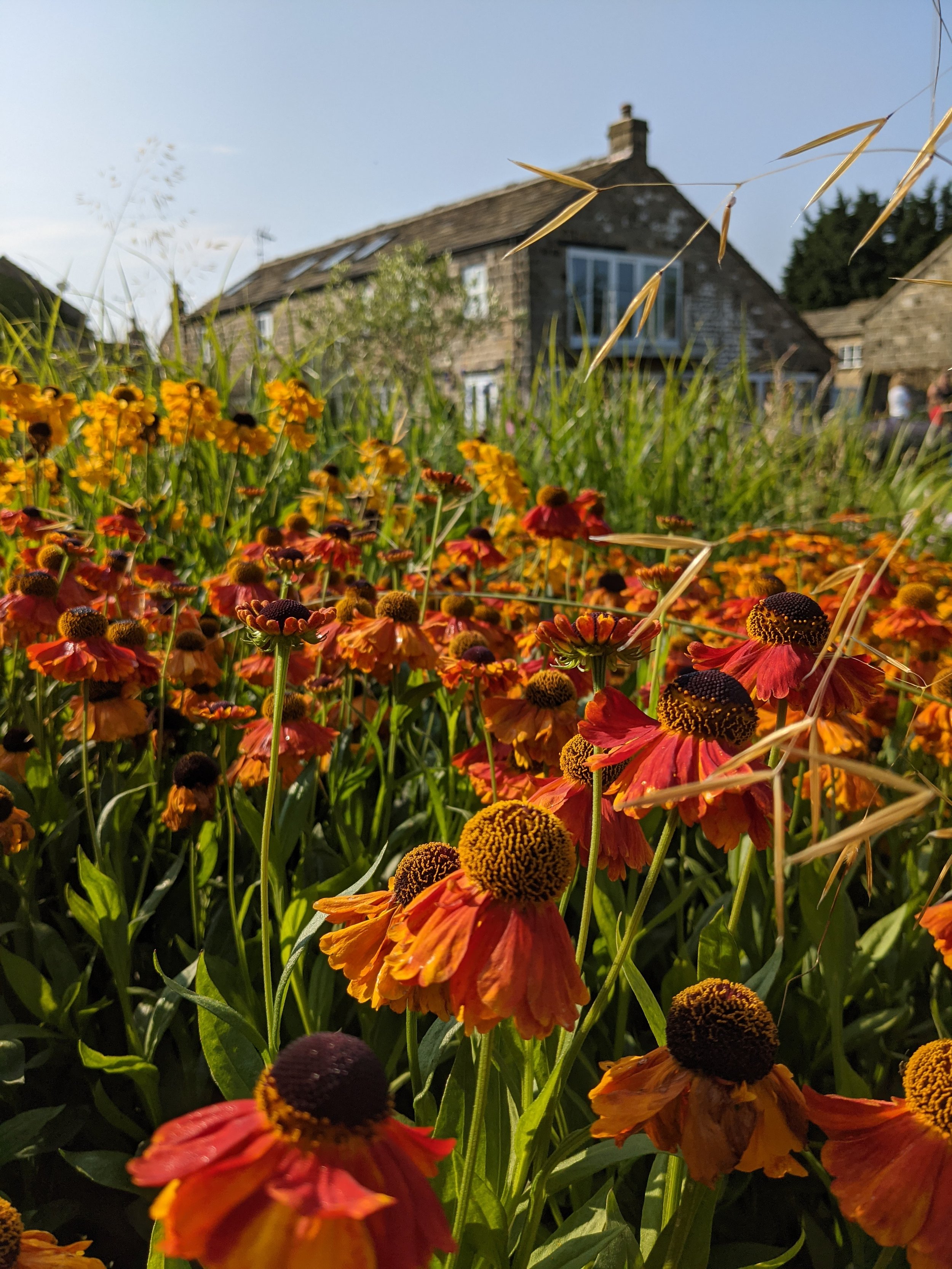
How To Maintain A Naturalistic Border Item
The small amount of on-going maintenance involved is why you see more and more gardens giving greater space to this kind of planting. A naturalistic border is even less maintenance than a lawn in a lot of cases. In the growing session a lawn needs mowing every 1 to 2 weeks, an established naturalistic border doesn’t need that kind of attention. We try to add at least some element of this planting style in every planting plan we do.
-
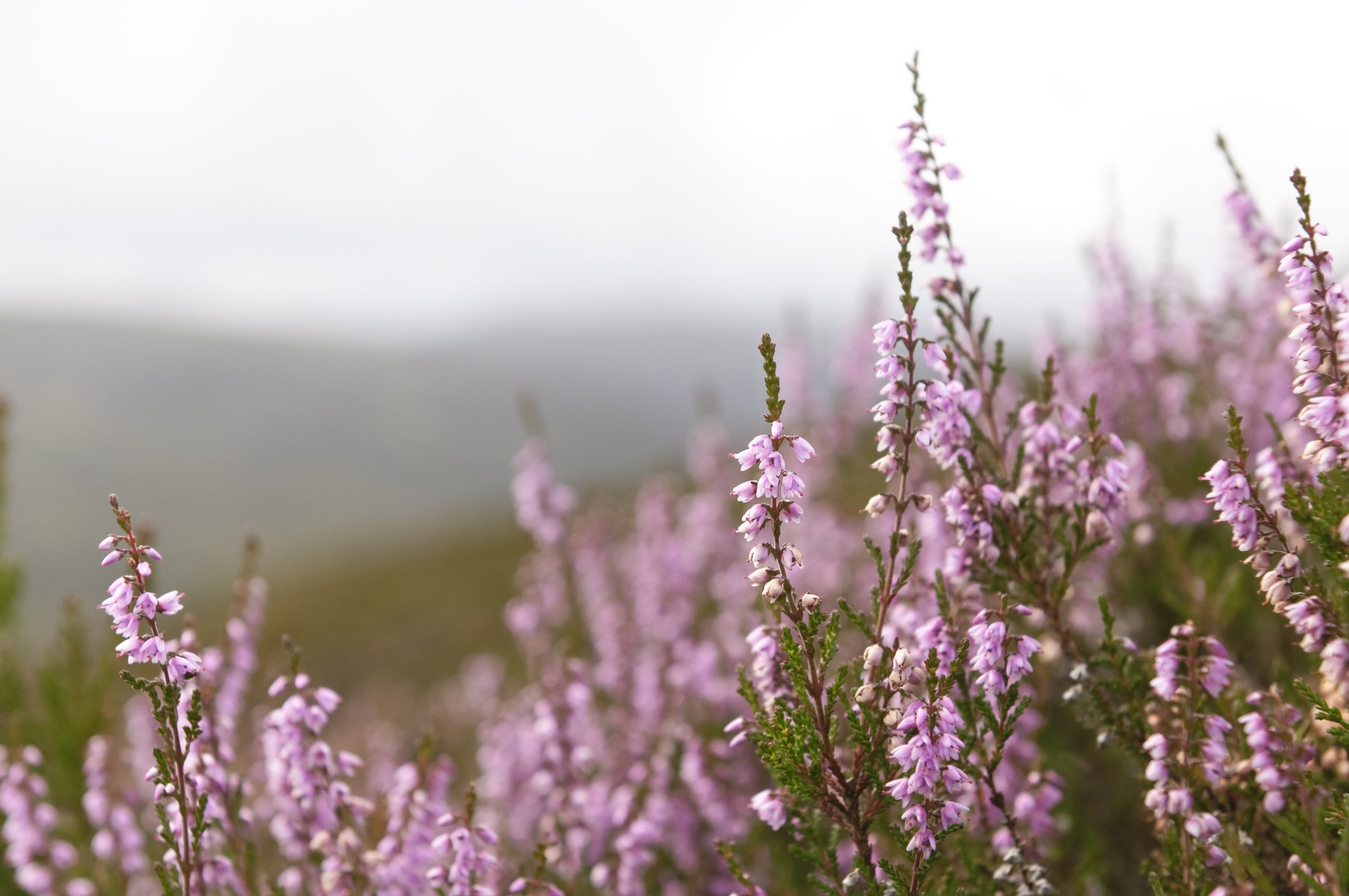
![Pink heather flowers on a blurred natural background.]()
Ericaceous Compost
When planting acid-loving plants it is important to do so with the correct compost mixture. Ericaceous plants are species that love acidic soil and hate lime soils (acid lovers and lime haters). If you have found yourself drawn to a beautiful plant at the garden centre make sure you first find out which type of soil it likes, if you have chosen an acid-lover you should make sure to then buy some ericaceous compost too.
-
![Close-up of white flowering tree branches with green leaves and a bee collecting nectar.]()
Fruit Trees
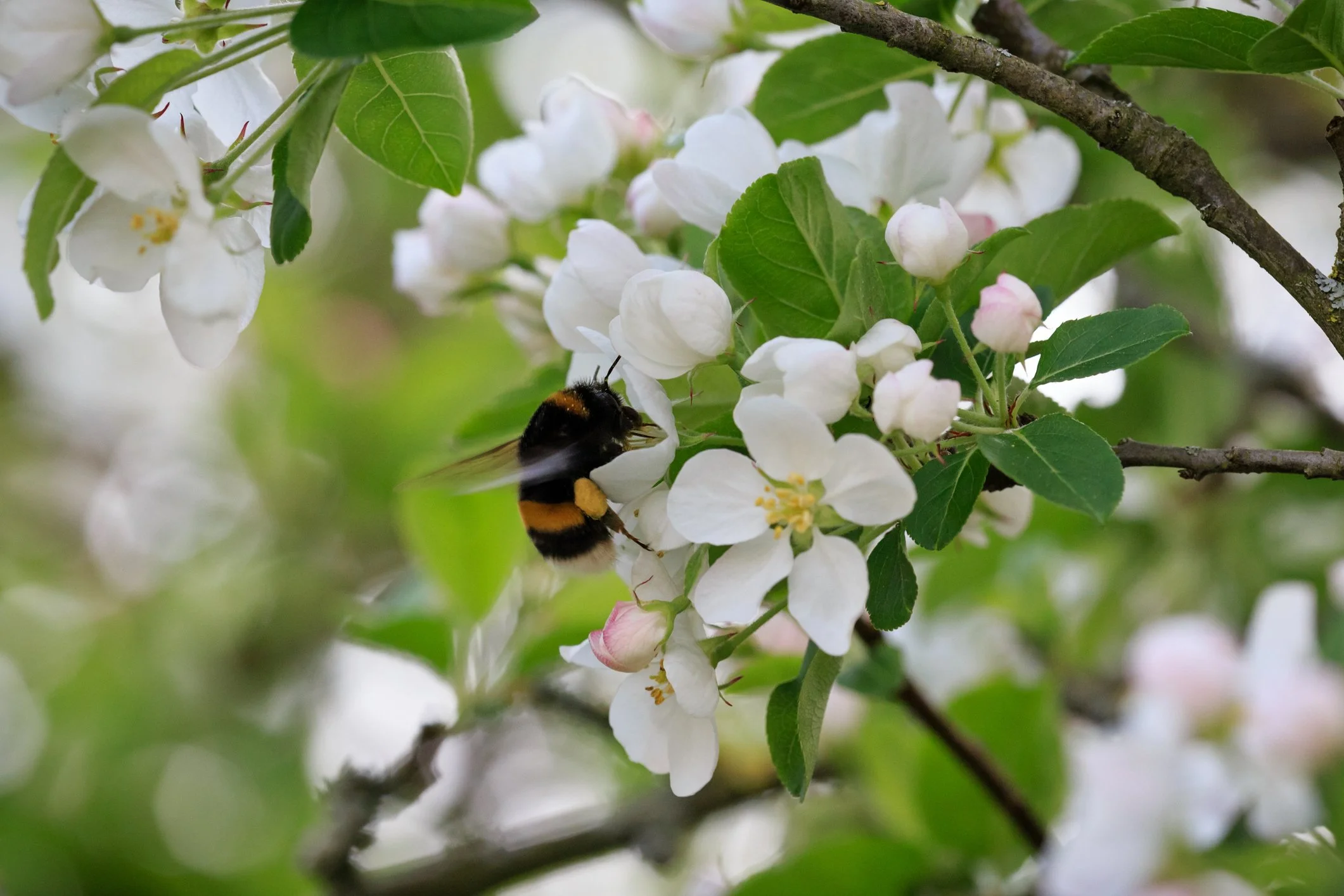
Apple and pear trees in the UK tend to fall into 6 different pollination groups, according to when they crop. Unless you live in the middle of nowhere, this shouldn’t be too much of a concern, as there will usually be another tree in a nearby neighbour’s garden that shares your tree’s pollination group. So, as you can see, although you may not necessarily come away with your favourite variety, it is really important to invest in the right tree for your garden, rather than risk your crops failing.
-
![Close-up of pink and cream roses with green leaves and stems, with blurred red roses in the background.]()
Quick Guide to Roses
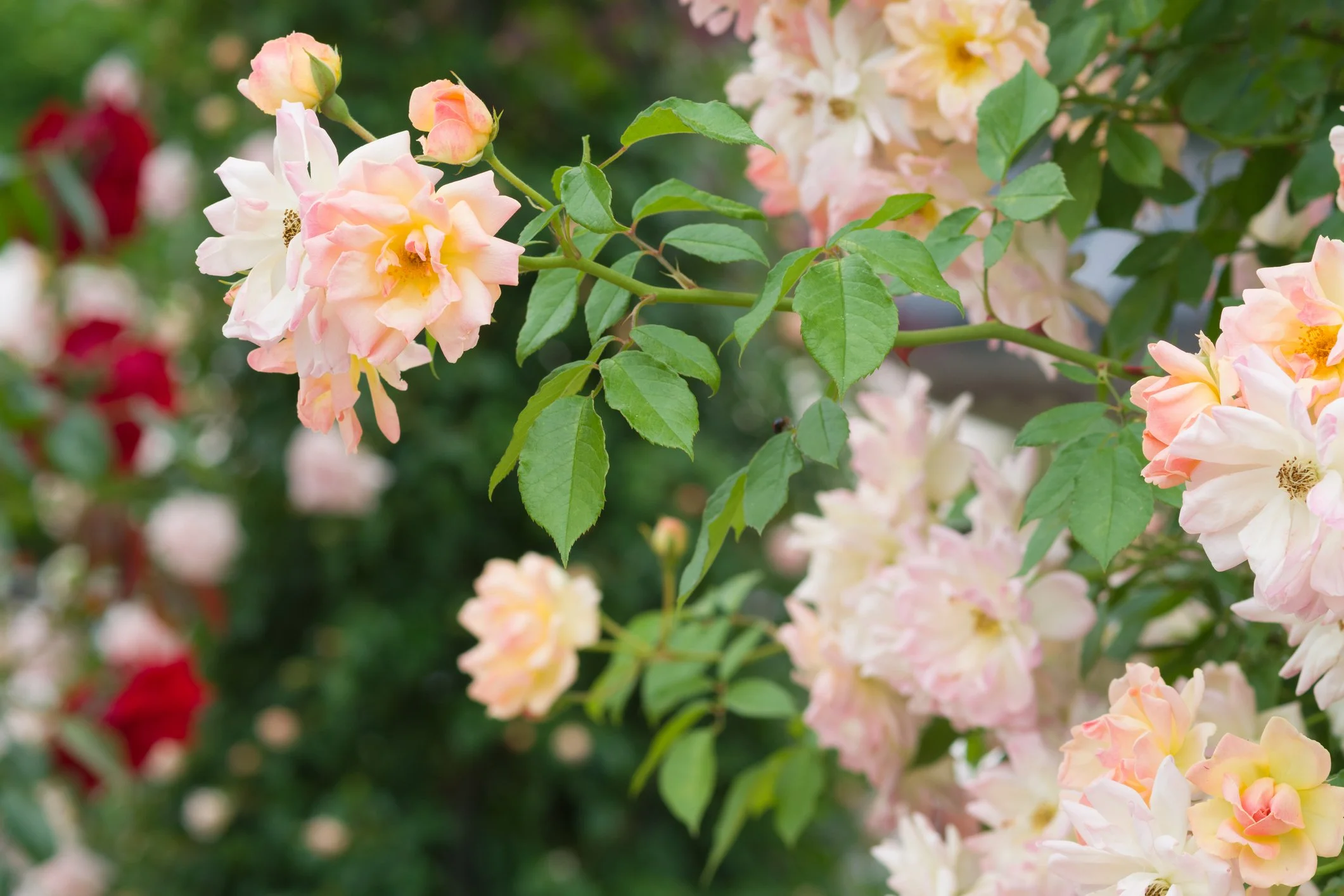
To those of us who would not consider ourselves as having green fingers, growing roses may seem daunting, as they are known for having specific pruning and nutritional needs - however, this is certainly not the case. Not all roses require the same level of attention and some will almost look after themselves, once established.
When we think of roses, we usually imagine the typical Tudor Rose: a sizeable shrub, with large, sweet smelling flowers. However, with now well over 30,000 varieties of rose worldwide, there literally is a rose to suit every garden.
-
![Close-up of a cluster of pale purple and blue hydrangea flowers surrounded by green leaves with a small butterfly perched on one of the flowers.]()
Quick Guide to Hydrangeas
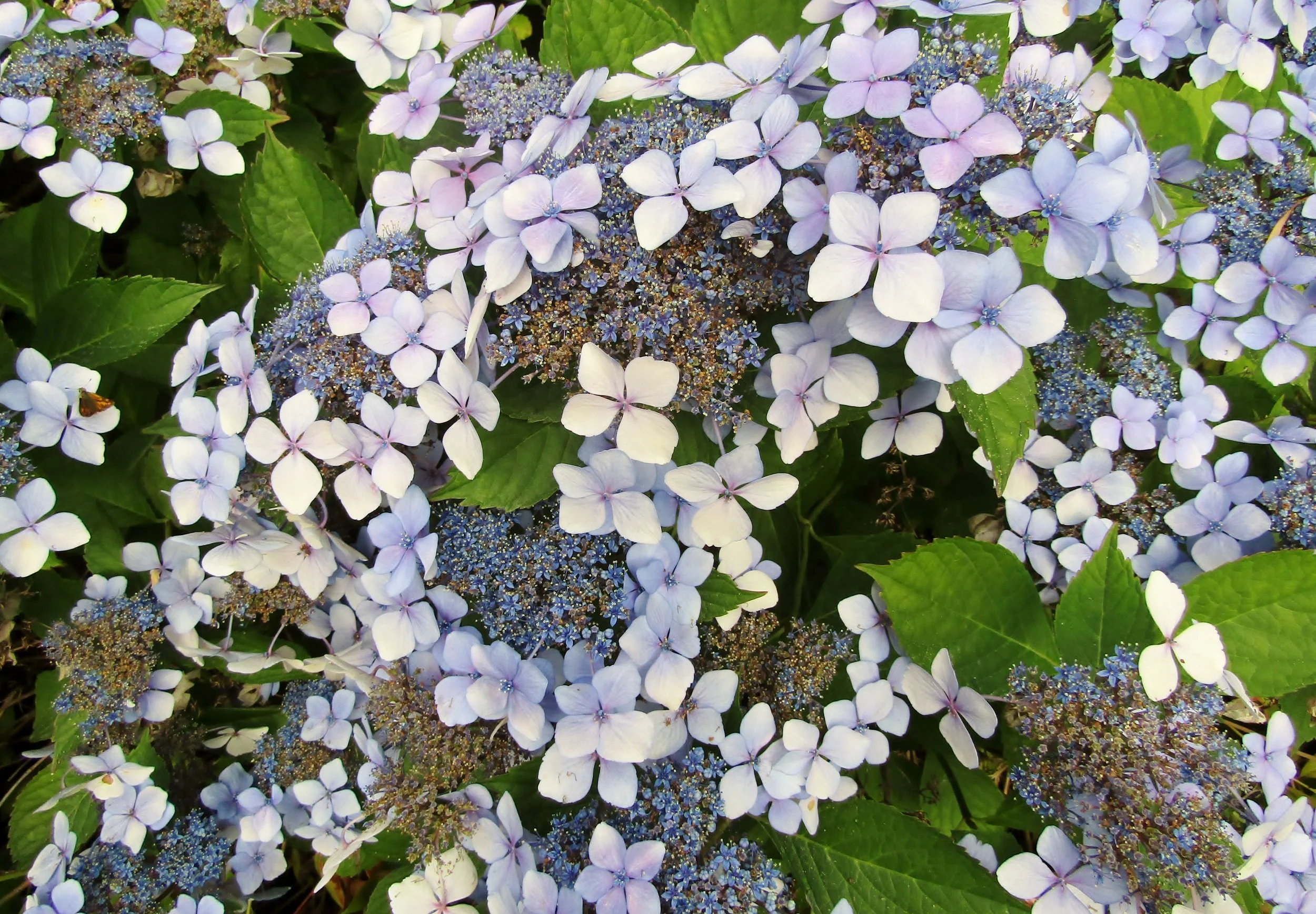
Hydrangeas have long been a much-loved favourite in our gardens, with their large, showy flower heads of tightly clustered florets. If you’re looking for a shrub that will provide show-stopping blooms, to take centre stage in your garden throughout the Summer, then the Hydrangea never fails to impress.
-
![A bird feeder filled with mixed seeds, hanging from a tree with an orange and gray bird near the feeder, holding a seed in its beak.]()
Top 5 bird feeding stations
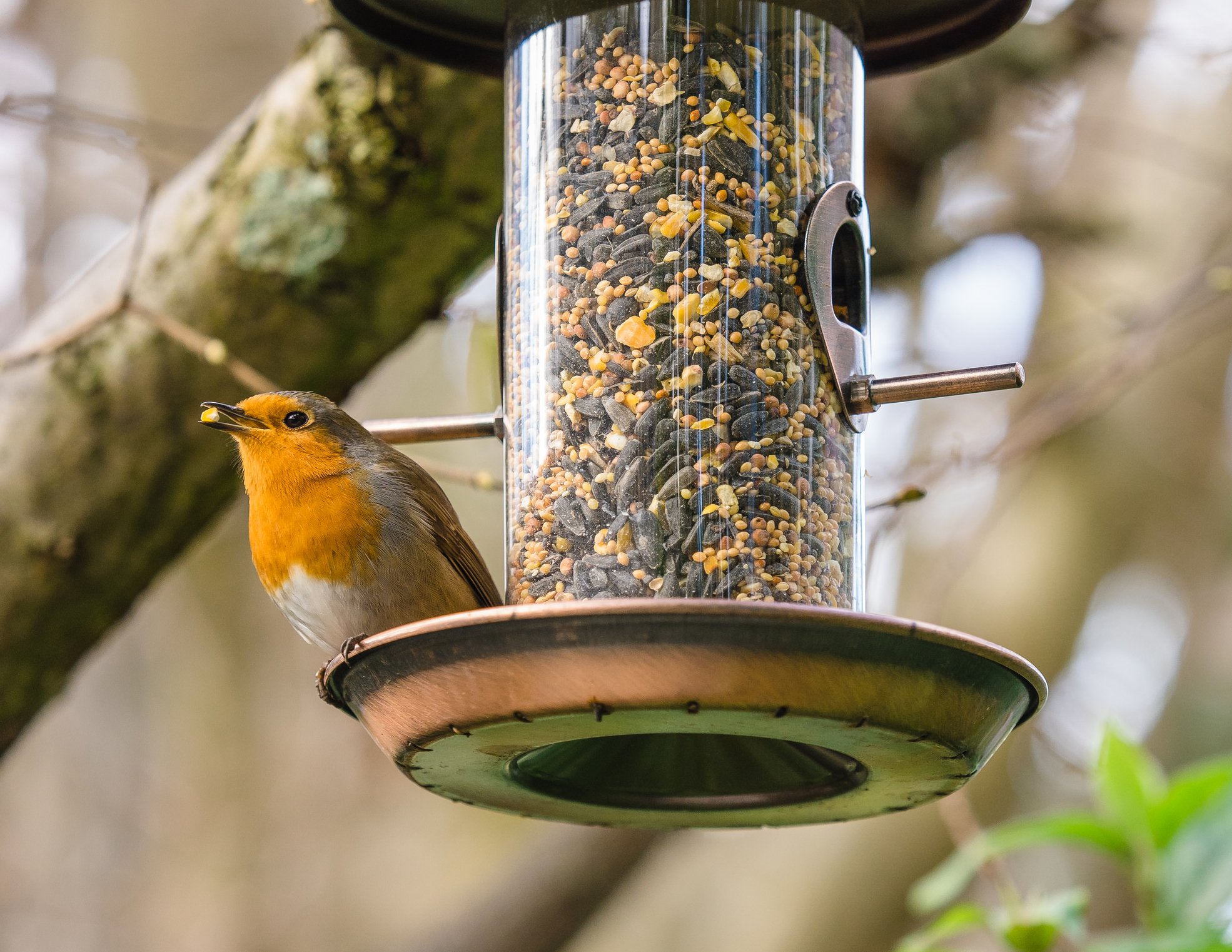
Bird feeding stations are versatile and effective tools for attracting a diverse range of bird to your garden. By offering various types of bird feed and feeders, you can cater to different species' dietary preferences and behaviours. Whether you aim to entice small songbirds or larger, more robust species, there is a feeding station suited to your needs. Additionally, the flexibility of incorporating multiple stations allows for accommodating various bird populations simultaneously. This is your first step to turning your garden into a perfect environment for bird activity.
-
![Close-up of green pine branches with dense needle foliage.]()
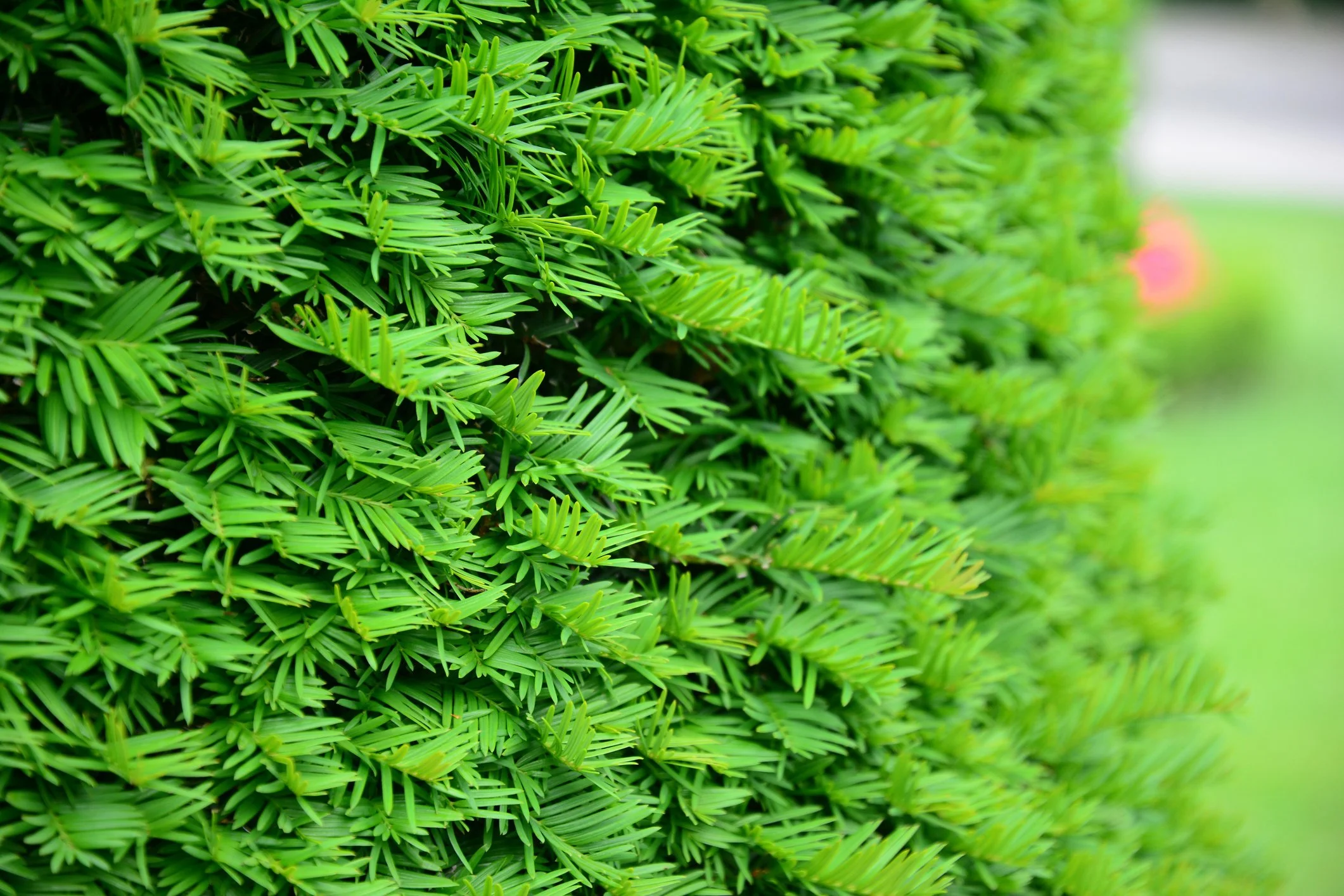
Planting a Yew Hedge in a Clay Soil
The big issue with Yew is that they don't like wet feet - so be careful if you are planting into clay soil, which is notoriously poorly drained. If Yew roots are sat in water they will drown, and the plant will turn brown and die.
Recommended Tool


Sustainability


Wildlife


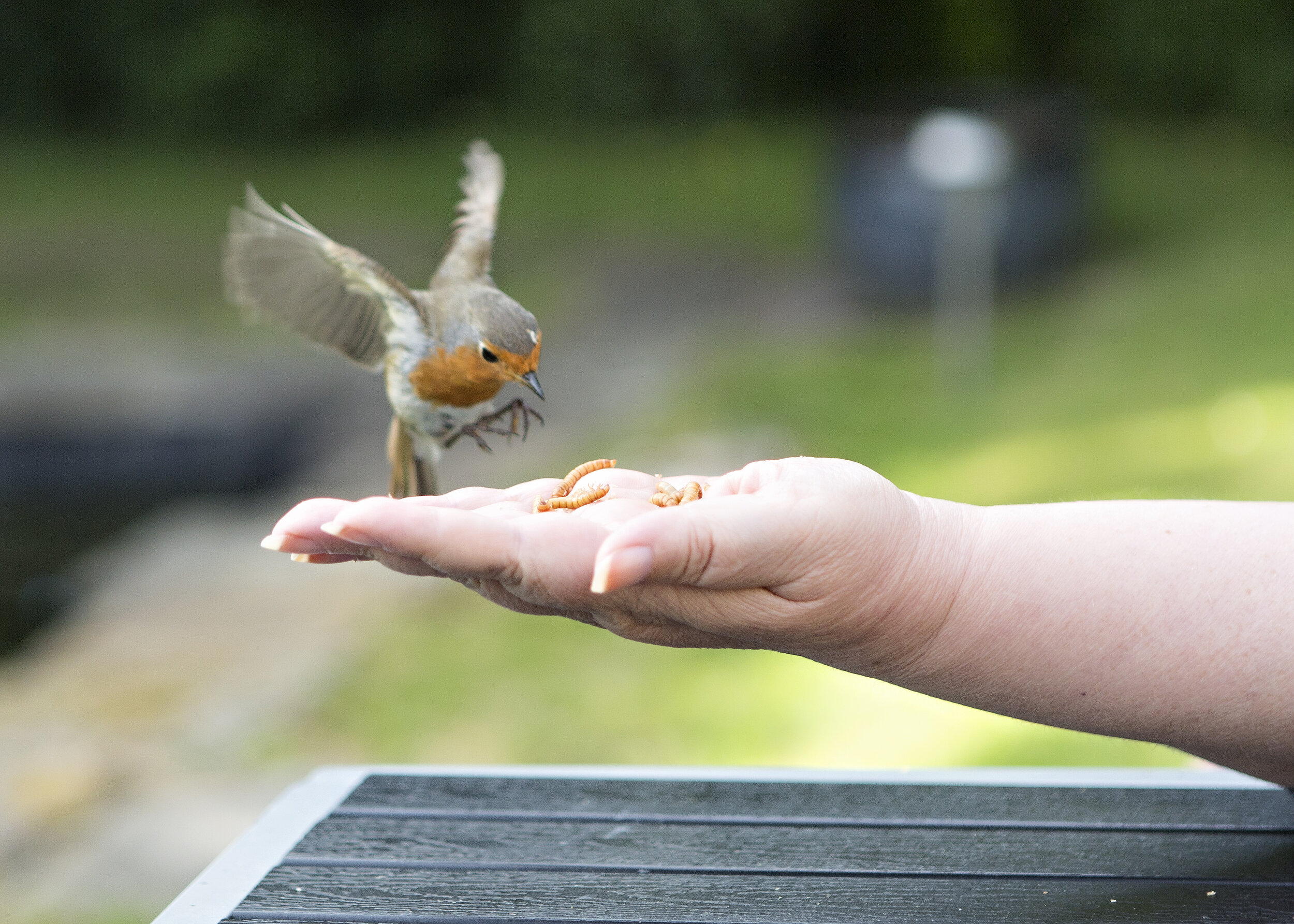
This the story of the bird rescue that happened in our house this Christmas. As my son, Arthur, is bird mad, when we found this little guy stunned and immobile in the garden, he was the first to want to rescue him.