Quick Guide to Hydrangeas
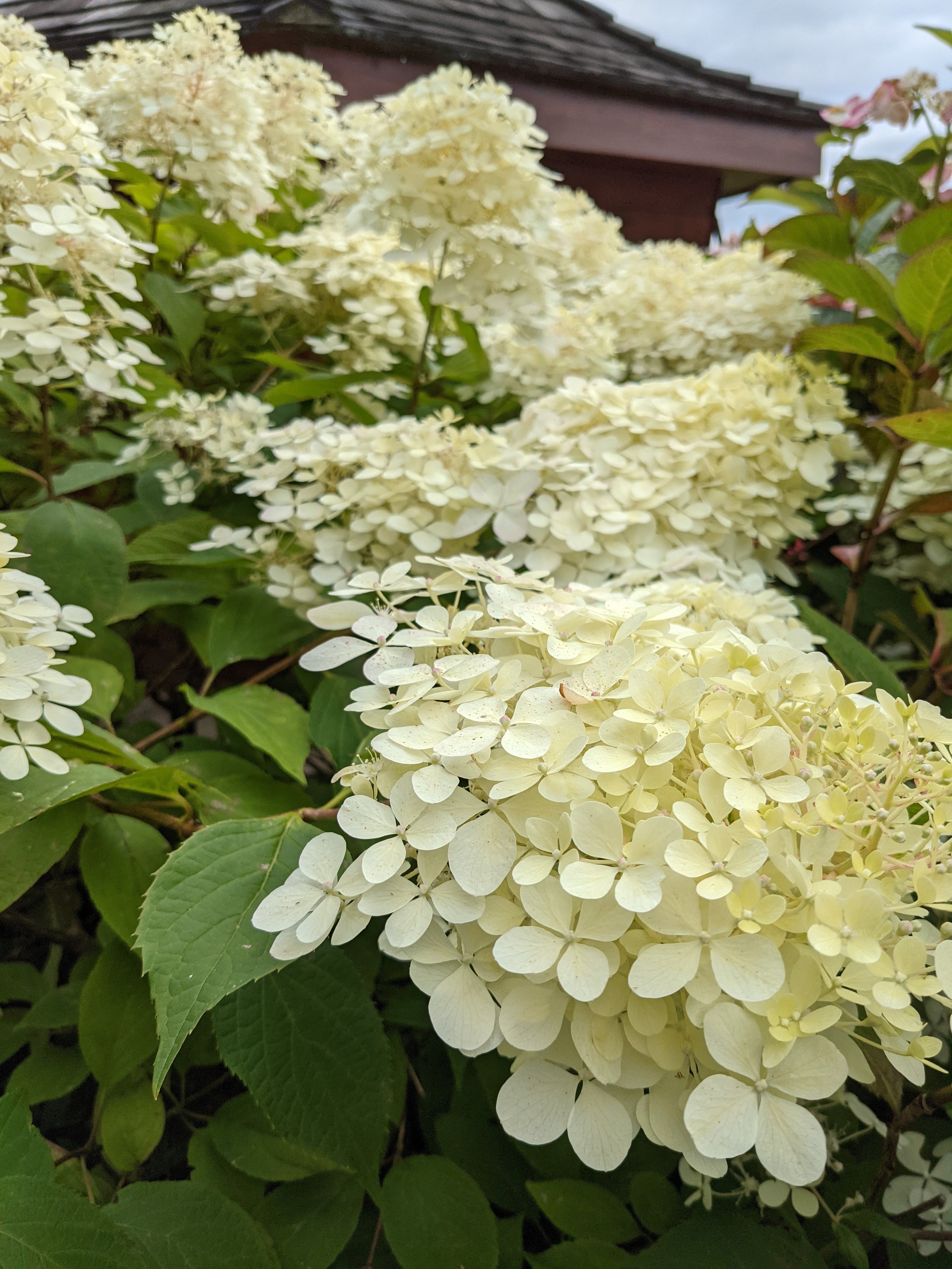
Hydrangeas have long been a much-loved favourite in our gardens, with their large, showy flower heads of tightly clustered florets. If you’re looking for a shrub that will provide show-stopping blooms, to take centre stage in your garden throughout the Summer, then the Hydrangea never fails to impress.
Looking for more tips on gardening?
Check out our beginners guide to gardening!
Is a Hydrangea for me?
When we think of hydrangeas, we often imagine the large, cottage garden style ball-like flower clusters of pink, blue and white flowers of the Bigleaf Hydrangea (or Hydrangea macrophylla, to those among us who want to impress our neighbours). However, you will be pleased to know that with over 75 species, there literally is a hydrangea for every taste and every uk garden, from formal to traditional, making it a really versatile shrub.
Can I grow a Hydrangea in my garden?
If you’re umming and ahhing about which to buy or even whether there is a hydrangea to meet the needs of your garden, don’t worry, there are plenty of different ones available. You can buy both deciduous and evergreen, compact or large varieties or even a climbing variety, which can be trained on a trellis to cover an empty fence or wall.
How to Maintain a Hydrangea
Watering
Hydrangeas like moist soil so are really well suited to wetter spot in your garden. They will need a bit more watering during hot and dry weather.
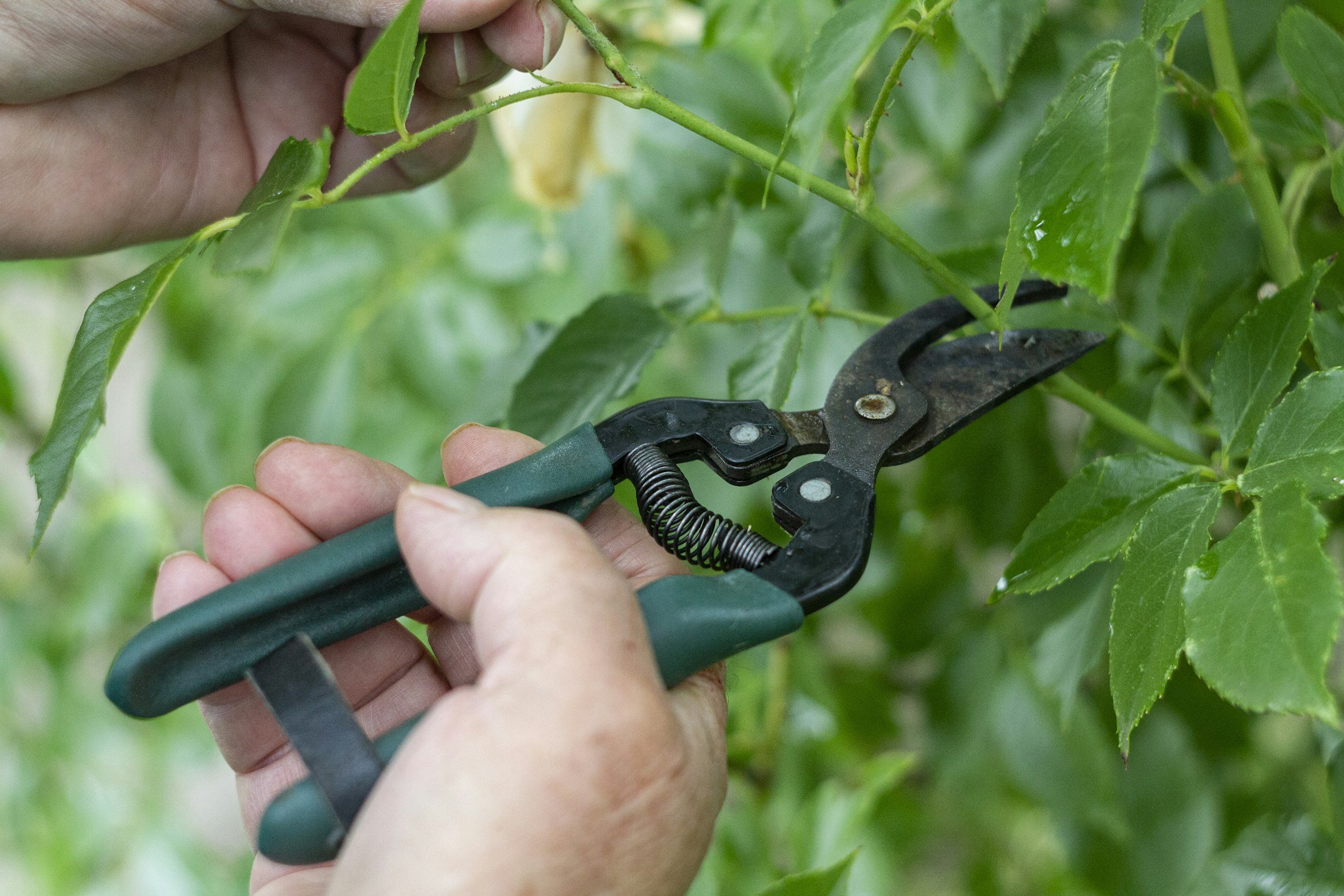
Find out about pruning a hydrangea -
Sunlight
Hydrangeas like part shade. When gardener talk about part shade we are referring to the amount of sunlight per day during the growing season. Between 3 - 6 hours of sun and no more.
Mulching
Applying mulch in the spring will add nutrients to the soil and help retain water.